The Complete Guide to E-Waste Recycling: Why It's Important and How to Begin
Electronic waste recycling represents a critical yet frequently neglected component of contemporary sustainability. As technology advances at a remarkable pace, countless tons of electronic waste build up annually, creating substantial environmental hazards. Grasping the complexities of e-waste disposal enables people to make well-informed decisions. This guide not only outlines effective recycling practices but also explores the broader implications for the environment and economy. The path to accountable e-waste management starts with several key actions.
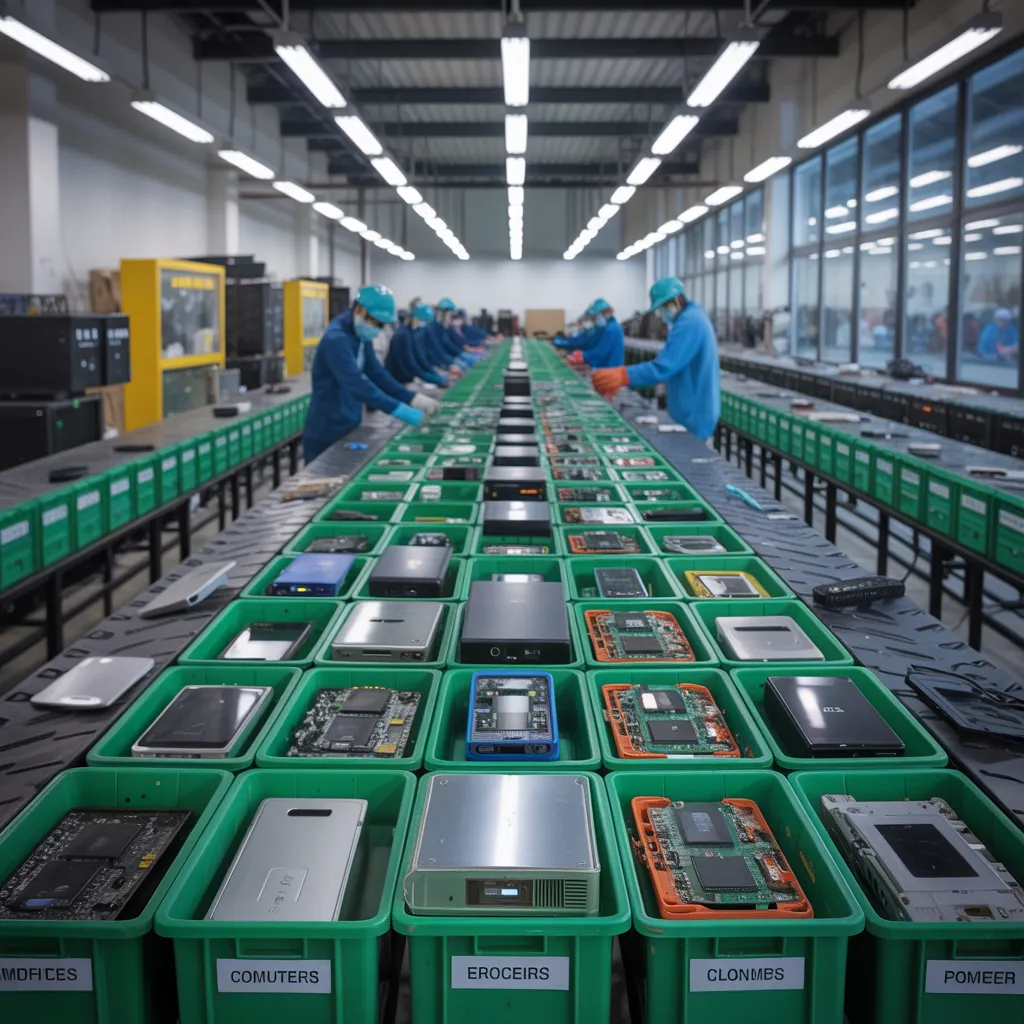
Everything You Should Know About E-Waste
Electronic waste, commonly known as e-waste, encompasses discarded electrical and electronic equipment, and recognizing its significance is crucial in today's technology-driven world. The swift development of technology has caused a considerable surge in e-waste accumulation, with tens of millions of tons generated each year. Such waste frequently harbors dangerous substances including lead, mercury, and cadmium, posing serious environmental and health risks if not managed properly.
In addition, significant materials like gold, copper, and rare earth metals are contained in these electronic devices, which can be retrieved through recycling processes. However, a significant portion of e-waste is deposited in landfills, worsening environmental pollution and resource loss. Knowledge about appropriate waste disposal techniques and the importance of recycling can reduce these concerns, fostering a more environmentally responsible strategy for technology use. Understanding the concept of e-waste is vital to promoting conscientious behaviors and encouraging effective recycling initiatives within local communities.
Your First Steps to E-Waste Recycling
Making the effort to recycle e-waste has a profound effect on both the environment and personal responsibility. To start, individuals should assess their unused or broken electronics, sorting items including smartphones, laptops, and printers. This process aids in gauging the amount of e-waste that requires attention. Additionally, looking into local recycling initiatives is essential. Many communities offer designated drop-off locations or special collection events for e-waste.
People should also educate themselves about which items are recyclable and which are not, as guidelines vary by location. Upon finding the right recycling options, wrapping the items properly for transit ensures their safety and reduces the risk of damage. Finally, it is essential to track the disposal process, ensuring that qualified recyclers are responsible for handling the e-waste. Through following these key measures, people help build a greener tomorrow as they dispose of their electronic devices in a responsible manner.
The Ecological Effects of E-Waste Recycling
Frequently overlooked, the environmental impact of electronic waste recycling is significant and wide-ranging. Effective e-waste recycling aids in preventing hazardous materials, such as mercury, lead, and cadmium, from contaminating soil and water sources. These dangerous toxins can cause serious health hazards for both people and the natural world. By choosing to recycle, valuable resources like copper, silver, and gold are recovered, lowering the necessity for mining and decreasing the overall carbon emissions linked to resource extraction.
Furthermore, responsible e-waste recycling decreases landfill usage, where breaking down electronics discharge dangerous chemicals. It nurtures a circular economy by encouraging eco-friendly practices, encouraging manufacturers to design products with recyclability in mind. In addition, recycling contributes to reduced greenhouse gas emissions by minimizing energy demands compared to new material production. Overall, the environmental benefits of e-waste recycling underscore its critical role in promoting a healthier planet and ensuring responsible management of electronic resources.
Economic Gains from E-Waste Recycling
E-waste recycling provides substantial financial benefits, particularly through job creation and resource recovery. By establishing recycling facilities, communities can generate employment opportunities while promoting sustainable practices. Moreover, recovering valuable materials from electronic waste reduces the need for new resource extraction, leading to considerable cost savings.
Job Creation Opportunities
Repurposing e-waste not only resolves ecological challenges but also functions as a powerful engine for job development. The e-waste recycling industry generates a variety of employment opportunities, ranging from collection and sorting to processing and refurbishing electronic devices. As the need for eco-friendly methods increases, this industry is developing rapidly, calling for qualified professionals in technology, engineering, and supply chain management. Local economies benefit as job creation often occurs in areas with high unemployment rates, leading to community development. Moreover, companies engaged in electronic waste recycling are able to encourage creativity and new ventures, nurturing a sustainable economic model. By supporting e-waste efforts, governing bodies and enterprises not only champion environmental responsibility but also bolster economic stability through valuable work opportunities.
Resource Retrieval Savings
The e-waste recycling industry not only creates jobs but also offers considerable economic benefits by means of resource recovery savings. By recovering precious materials including Read the guide gold, silver, and copper from obsolete electronics, the recycling process decreases the reliance on virgin material extraction, which is frequently expensive and harmful to the environment. This approach reduces manufacturing costs for producers, eventually resulting in lower prices for end users. Furthermore, the energy efficiencies gained through e-waste recycling can be considerable, reducing overhead costs for companies and enhancing overall economic productivity. As well, as global demand for electronic devices continues to rise, efficient resource recovery from e-waste becomes increasingly essential for sustaining supply chains and enhancing economic resilience. As a result, e-waste recycling stands as a sound investment for the economy and the environment alike.
Places to Recycle Your Old Electronics
Looking for ways to get rid of old electronics in an eco-friendly manner? Many solutions are available for disposing of aging electronics, ensuring both environmental protection and resource recovery. Local recycling centers often accept a variety of electronics, such as laptops, mobile phones, and televisions. Several cities and towns also arrange scheduled e-waste drop-off events, creating a practical opportunity for local residents to safely recycle their unwanted devices.
Major retailers like Best Buy and Staples provide take-back initiatives, enabling customers to drop off their used electronics upon buying new devices. A number of manufacturers have established mail-in recycling initiatives, making it possible for users to mail their obsolete gadgets directly to specified collection facilities. Non-profit organizations may also accept donations of functioning electronics, increasing the longevity of these products while advancing local community efforts.
Dispelling Common Misconceptions About E-Waste Recycling
Despite the common belief that e-waste recycling is unproductive, the reality is that properly managed programs can significantly minimize environmental harm. A popular misunderstanding is that e-waste is deposited in landfills regardless of recycling efforts. In truth, established recycling centers recover useful resources and safely dispose of hazardous components.
A common misconception claims that disposing of electronics through recycling is too difficult or pricey. However, a variety of community programs feature no-cost drop-off points, ensuring accessibility for all individuals. Several programs additionally feature convenient collection options.
Moreover, some people mistakenly believe that all e-waste can be recycled, but not every item is recyclable as a result of the unique materials used in their construction. Familiarizing yourself with local regulations is crucial.
Lastly, some assume that e-waste recycling has no impact on job creation. The truth is, the recycling industry creates thousands of positions, benefiting the economy while supporting environmental sustainability. By correcting these misunderstandings, the public can develop a clearer understanding about e-waste recycling.
Frequently Asked Questions
Are Batteries Accepted With My E-Waste Recycling?
Batteries must not be disposed of alongside e-waste. They require separate handling due to hazardous materials. Suitable disposal choices encompass designated recycling facilities or scheduled collection events tailored for batteries, promoting safe and environmentally responsible handling.
What Occurs to My Data During the Recycling Process?
Throughout the recycling process, information stored on electronic devices could be vulnerable without proper erasure. Established recycling companies use specialized methods to ensure total data elimination, safeguarding personal information from potential recovery or misuse.
Is E-Waste Recycling Subject to Legal Regulation?
Electronic waste recycling is regulated by various laws and regulations that differ by country and region. These laws aim to promote safe disposal, safeguard the environment, and handle hazardous materials responsibly within the recycling process.
Do You Have to Pay Fees for Recycling Electronics?
Several electronics recycling facilities may charge fees for processing items, particularly for certain types like monitors or televisions. Nevertheless, certain locations provide no-cost recycling, commonly financed through programs established by manufacturers or local initiatives advocating for responsible disposal.
How Do I Encourage E-Waste Recycling in My Local Community?
To encourage e-waste recycling across the community, organizations can host informational campaigns, work alongside local businesses to facilitate drop-off events, and employ social media to share educational material about the benefits to the environment and responsible disposal practices.