Sustainable Solutions: How E-Waste Recycling Services Are Saving Our Planet
E-waste represents a considerable hazard to the environment, as abandoned electronic devices commonly carry harmful materials. Such dangerous compounds can pollute soil and water supplies, leading to broader ecological damage. Electronic waste recycling programs offer an effective remedy. They not only recover valuable resources but also mitigate pollution. Comprehending the operation of these services and their influence on communities is of great importance. The path to successful electronic waste management prompts vital discussions about personal accountability and communal efforts. What measures can be pursued from this point onward?
The Reasons E-Waste Is Damaging to the Planet
Even though technological advancements improve our daily lives, electronic waste presents serious threats to the environment. Disposed electronic equipment, commonly laden with dangerous compounds like mercury, lead, and cadmium, are capable of seeping pollutants into the surrounding soil and water supply, creating hazards for human health and ecosystems. The rapid pace of technological advancement leads to greater consumer replacement of electronic devices, worsening the buildup of e-waste.
Landfills, already overwhelmed with refuse, find it difficult to handle the increasing amounts of discarded devices. Incineration, a common waste management technique, emits dangerous pollutants into the environment, degrading atmospheric conditions. In addition, improper recycling practices can lead to the exportation of e-waste to developing countries, where laborers may dismantle devices without adequate safety measures, exposing themselves to dangerous substances. Go here This ongoing cycle of carelessness and inadequate management emphasizes the pressing necessity for responsible recycling initiatives that can lessen the harmful consequences of e-waste on our world.
What Is E-Waste and Why Is It Important?
Electronic waste, commonly known as e-waste, includes unwanted electronic equipment like televisions, computers, and smartphones that are no longer functional or needed. This rapidly expanding waste category is noteworthy owing to its accelerating volume, fueled by innovation in technology and shifting consumer habits. As growing numbers of electronics become outdated, the toll on the environment grows more severe, with harmful substances like lead, mercury, and cadmium posing risks to ecosystems and human health.
The significance of tackling e-waste extends beyond minimizing these risks to recognizing the valuable resources it holds. Critical metals and rare earth components can be reclaimed and recycled, decreasing the reliance on mining and protecting natural resources. By understanding e-waste and its implications, individuals and organizations can make informed decisions about disposal and recycling, ultimately contributing to a more sustainable future. Effective handling of e-waste is vital for encouraging a circular economy and advancing environmental responsibility.
The Way E-Waste Recycling Functions
E-waste recycling entails an organized procedure aimed at reclaiming useful resources while minimizing environmental impact. Initially, e-waste is collected and transported to dedicated processing centers. Once there, the devices undergo thorough sorting to separate hazardous components from recyclable materials.
Subsequently, specialists take apart the items, separating metals, plastics, and glass. This process is vital, as it allows for the extraction of rare metals like copper, gold, and silver, which are repurposed in new electronic products.
Following this, the divided materials are refined using advanced techniques, such as shredding and specialized chemical treatments, to prepare them for repurposing.
In the final step, the leftover hazardous materials are disposed of responsibly, complying with environmental guidelines. This multi-step approach not only conserves resources but also minimizes the hazards associated with irresponsible electronic waste disposal, guaranteeing a greener future for electronic device usage.
How E-Waste Recycling Benefits You and Your Community
Although it often goes unnoticed, the advantages of e-waste recycling go far beyond individual benefit and actively shape entire communities. By responsibly disposing of electronic waste, individuals help foster a safer environment, reducing toxic components that can contaminate soil and water. This forward-thinking practice helps preserve local ecosystems and supports public health.
Furthermore, e-waste recycling promotes the creation of jobs in communities. Regional recycling centers frequently need staff for a range of functions, including collection and processing, therefore offering work opportunities to area workers. This not only stimulates the local economy but also encourages community engagement in sustainable practices.
Moreover, awareness of e-waste recycling may result in learning opportunities, equipping residents to adopt eco-friendly choices. By participating in e-waste recycling programs, individuals cultivate a culture of sustainability, prompting others to do the same. In summary, the collective impact of these actions can lead to a more resilient and environmentally responsible community.
How to Select an E-Waste Recycling Service
Choosing the most suitable e-waste recycling service is essential for ensuring that electronic waste is managed responsibly and sustainably. To begin, individuals should verify the company's accreditations, such as R2 or e-Stewards, which signify compliance with professional guidelines for safe recycling practices. Additionally, it is advisable to evaluate the provider's reputation by reviewing feedback and looking for referrals from reliable sources.
Next, transparency in the recycling process is vital. A dependable provider should supply straightforward details about the manner in which e-waste is managed and what becomes of the materials. Additionally, assessing the variety of services available can be advantageous; some companies may provide pickup services or offer incentives for recycling.
In addition, understanding area-specific requirements for e-waste disposal can help inform the selection process. By prioritizing these factors, residents can actively participate in effective e-waste management alongside encouraging environmentally responsible practices.
Ways You Can Participate in E-Waste Recycling?
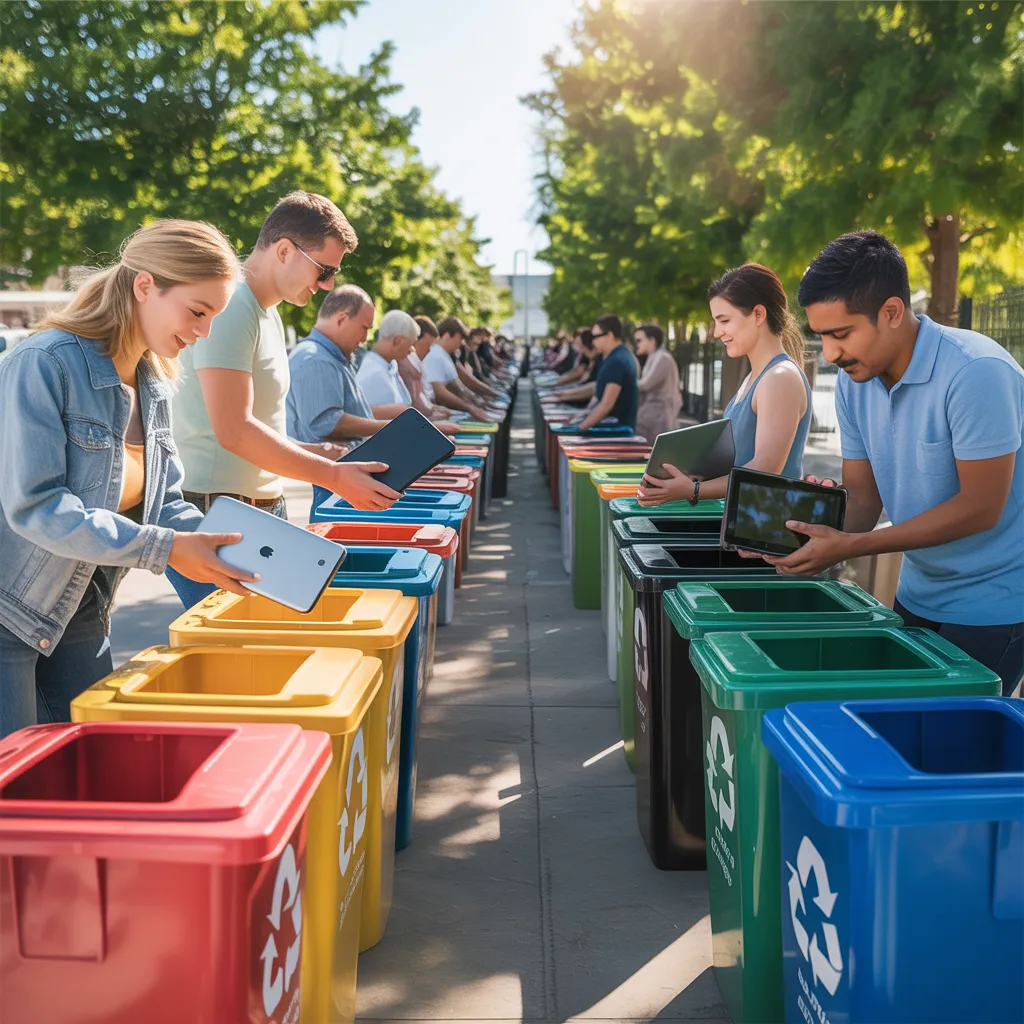
Participating in e-waste recycling often starts at the local level, where recycling centers often provide essential services for proper disposal. Additionally, joining community awareness campaigns can enhance efforts to inform others regarding the importance of proper e-waste handling. Such efforts not only encourage sustainable practices but also cultivate a collective sense of accountability for the environment.
Nearby Recycling Facilities
Several community recycling facilities perform an important function in the recycling of e-waste, supplying communities with reliable ways to manage electronic waste appropriately. These facilities handle a range of electronic equipment, including aging computers, cell phones, and television sets, verifying that toxic materials are disposed of safely. Most stations have trained staff who support individuals in understanding proper disposal practices, highlighting the value of recycling rather than landfilling. Furthermore, many centers offer planned drop-off gatherings or set collection days, making it easy for residents to participate. By utilizing these local services, people help build a circular economy, reducing environmental impact and promoting sustainable practices. Partnering with these facilities empowers communities to take action against e-waste pollution effectively.
Community Outreach Campaigns
Nearby organizations, schools, and enterprises can work together to organize events that support e-waste collection drives. Community members can serve a critical function in raising awareness, sharing informational resources, and connecting with local residents. As a result of these combined actions, community members grow more knowledgeable and inspired to dispose of their electronics responsibly, ultimately contributing to a more sustainable future.
Questions We Often Receive
What Electronic Devices Are Eligible for Recycling?
Many different electronics may be recycled, including computers, smartphones, televisions, laptops, gaming consoles, and printers. Moreover, accessories such as keyboards, mice, and batteries are also suitable for recycling, promoting eco-friendly conservation initiatives.
Are There Any Costs Associated With E-Waste Recycling?
Yes, electronic waste recycling sometimes comes with charges, based on the provider. Some facilities charge fees for collection or processing, while some providers offer free services, frequently supported by the resale of recovered materials.
What Are the Benefits of E-Waste Recycling for Businesses?
Businesses can benefit from e-waste recycling by reducing disposal costs, strengthening their ecological standing, meeting compliance standards, reclaiming useful materials, and creating potential earnings via resale, thus supporting a greener and more sustainable operational framework.
What Happens to Data on Recycled Devices?
Information regarding repurposed equipment is commonly permanently erased or destroyed during processing. This ensures confidential data is kept safe, stopping improper access while enabling components to be repurposed securely and sustainably in new products.
Are Broken Electronics Eligible for Recycling?
Yes, defective electronics can be recycled. A wide range of facilities receive defective devices, ensuring responsible disposal and retrieval of valuable materials. This helps decrease harm to the environment while promoting eco-friendly recycling methods to handle electrical waste properly.